clarke studies trumpet pdf
Clarke Studies Trumpet PDF: An Overview
Clarke University, founded in 1843, offers a values-based education, while 240 students joined in 2025-2026, representing diverse backgrounds and academic achievements.
What are Clarke Studies?
Clarke Studies, formally known as Technical Studies for the Cornet and Trumpet, are a collection of exercises meticulously crafted by Herbert L. Clarke, a renowned American cornetist and composer. These studies aren’t simply about playing notes; they are a comprehensive system designed to build fundamental trumpet skills. They focus intensely on developing range, endurance, articulation, and lip flexibility – the cornerstones of proficient trumpet playing.
Clarke’s approach is systematic, progressing through increasingly challenging patterns. The exercises aren’t melodic in the traditional sense, prioritizing technical mastery over musical expression initially. They are often used as a daily regimen by trumpet players of all levels, from students to professionals, to maintain and improve their technical foundation. The studies are a staple in trumpet pedagogy, valued for their effectiveness in building a solid technical base.
History of Clarke Technical Studies
Herbert L. Clarke, born in 1867, was a pivotal figure in American brass performance and education. His career spanned decades, including a distinguished 30-year tenure as solo cornetist with the Sousa Band. Witnessing the demands of professional performance firsthand, Clarke recognized a need for systematic technical training. This insight led him to compile his Technical Studies, first published in 1912.
Clarke’s studies weren’t born in isolation. They represent a culmination of pedagogical practices prevalent at the time, refined through his own extensive experience. The work quickly gained traction within the trumpet community, becoming a standard resource for aspiring players. Clarke University, founded in 1843, embodies a similar dedication to foundational education, mirroring the principles inherent in his studies. The enduring popularity of Clarke’s work speaks to its timeless value and effectiveness.
Arban vs. Clarke: Key Differences
Jean-Baptiste Arban’s Complete Conservatory Method for Trumpet is a comprehensive resource, encompassing scales, arpeggios, etudes, and solos. Herbert Clarke’s Technical Studies, however, focuses intensely on specific technical challenges – endurance, flexibility, and articulation. Arban presents a broader musical landscape, while Clarke drills down into core mechanics.
Clarke’s studies are generally shorter and more concentrated, ideal for targeted practice. Arban’s etudes are often more musically developed, requiring interpretive skills alongside technical proficiency. Both resources are invaluable, but cater to different needs. Like Clarke University’s commitment to a well-rounded education, Arban offers breadth; Clarke, focused intensity. The choice depends on the player’s current goals and areas for improvement, both being cornerstones of trumpet pedagogy.
Understanding the Clarke Studies PDF Format
Clarke University’s 240 new students and the Deans List recognition highlight academic excellence, mirroring the precision needed to navigate digital Clarke Study PDFs.
Availability of Digital PDFs
Clarke University, with its growing student body of 240, reflects a modern approach to education, paralleling the increasing accessibility of Clarke Studies in digital PDF format. Historically, these studies were primarily available in printed collections, requiring musicians to purchase physical copies. However, the advent of digital technology has dramatically changed this landscape.
Today, numerous websites offer Clarke Studies PDFs, ranging from free, publicly available resources to commercially sold, high-quality editions. Musicians can readily find these PDFs through online music retailers, trumpet-focused websites, and even educational platforms. The convenience of digital access allows for immediate download and use on various devices, including computers, tablets, and smartphones. This widespread availability democratizes access to this essential trumpet training material, benefiting students and professionals alike, much like Clarke University’s inclusive environment.
Legality and Copyright Considerations
Clarke University’s commitment to values like justice extends to understanding intellectual property, mirroring the legal considerations surrounding Clarke Studies PDFs. While many PDFs circulate online, it’s crucial to acknowledge copyright laws. The original Clarke Studies are protected by copyright, and unauthorized distribution constitutes infringement.
Downloading PDFs from unofficial sources may be illegal and unethical, potentially exposing users to malware or low-quality transcriptions. Legitimate sources typically require purchase or subscription, ensuring composers and publishers receive due compensation. Supporting these legal avenues safeguards the future creation of valuable musical resources. Just as Clarke University upholds academic integrity, musicians should respect copyright regulations when accessing and utilizing Clarke Studies. Prioritizing legal PDFs ensures ethical practice and supports the musical community.
PDF Versions and Editions
Clarke University’s diverse student body, representing 37 states and 14 countries, parallels the variety found in Clarke Studies PDF editions. Numerous versions exist, ranging from scanned copies of original publications to digitally transcribed and formatted PDFs. Some editions include fingerings, while others prioritize a clean, minimalist presentation.
The quality of these PDFs varies significantly. Older scans may suffer from poor resolution or missing pages, impacting readability. Newer, professionally transcribed versions offer superior clarity and accuracy. Be aware of potential discrepancies between editions, particularly regarding articulation markings or dynamic indications. Choosing a reputable source, even if it requires purchase, often guarantees a higher-quality, reliable PDF. Consider your skill level and practice goals when selecting an edition, ensuring it aligns with your needs.

Technical Aspects of the Clarke Studies
Clarke University boasts a strong community, mirroring the focused technical demands within Clarke Studies – endurance, articulation, and lip slurs are central to progress.
Range and Endurance Focus
Clarke Studies are renowned for systematically expanding a trumpeter’s range and bolstering endurance, demanding consistent practice to navigate increasingly challenging exercises. The studies progressively ascend and descend, forcing players to control air support and embouchure flexibility across the entire instrument’s spectrum.
This methodical approach isn’t about immediate high-note brilliance, but rather building a solid foundation of control and stamina. Clarke University’s welcoming of diverse students parallels the studies’ inclusivity – they benefit players of all levels. The exercises aren’t merely about hitting notes; they’re about maintaining quality of tone and consistent airflow throughout the range.
Regularly tackling these studies cultivates the muscular endurance necessary for demanding repertoire and extended performance durations, mirroring the dedication shown by Clarke University’s 240 Dean’s List students.
Articulation and Tonguing Exercises
Clarke Studies heavily emphasize articulation and tonguing precision, featuring patterns designed to develop clarity, speed, and control. These exercises aren’t simply about repeating notes; they focus on achieving a consistent attack and release with each articulation, fostering a clean and defined sound.
The studies demand mindful attention to tongue placement and movement, encouraging players to avoid tension and maintain a relaxed embouchure. Much like Clarke University’s commitment to a values-based education, these exercises require discipline and focused effort.
Progressive variations in rhythmic groupings and dynamic markings further challenge the trumpeter’s ability to articulate accurately and musically, mirroring the academic achievements of Clarke University’s Dean’s List students. Mastering these patterns translates directly to improved performance quality and expressive playing.
Lip Slur Development
Clarke Studies incorporate numerous lip slur exercises, crucial for developing a flexible and responsive embouchure. These aren’t merely technical drills; they cultivate a smooth, connected sound across the trumpet’s range, demanding precise breath control and consistent air support. The patterns systematically challenge the player to navigate intervals without relying on the tongue, fostering greater lip control.
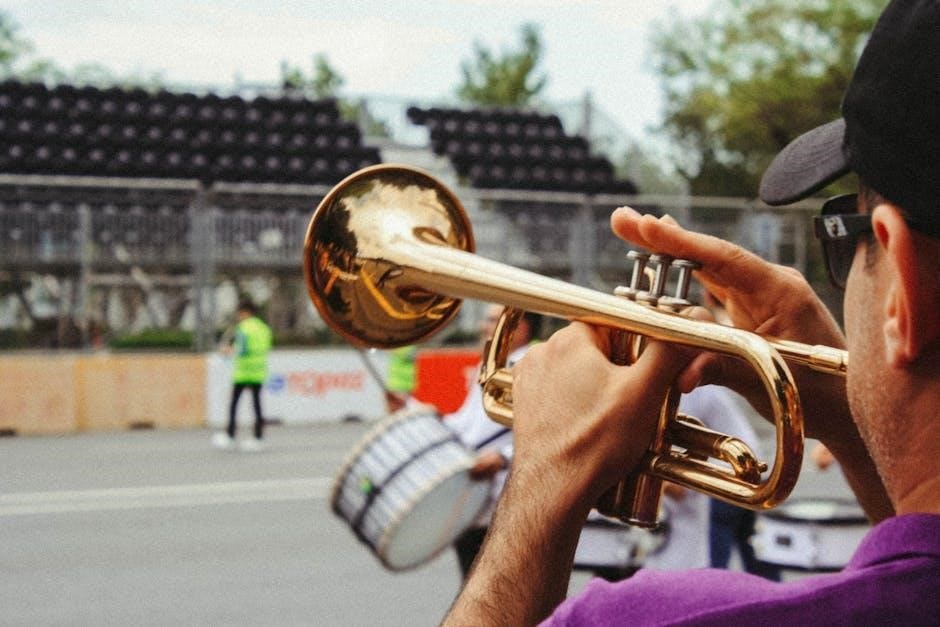
Similar to Clarke University’s welcoming of a diverse incoming class, these exercises address a broad spectrum of technical challenges. They build strength and endurance in the lip muscles, enabling seamless transitions between notes and improved intonation.
Consistent practice of these slurs, mirroring the dedication of Clarke University’s students earning Dean’s List recognition, unlocks a more nuanced and expressive tone, enhancing overall musicality and control.
Applying Clarke Studies to Trumpet Practice
Clarke University welcomes students from diverse backgrounds, mirroring how Clarke Studies adapt to various skill levels, enhancing practice routines and musical growth.
Warm-up Routines Incorporating Clarke
Clarke University’s vibrant community and commitment to education parallel the structured approach of Clarke Studies for trumpet players. Begin with gentle lip slurs from the first Clarke Study, focusing on a relaxed embouchure and consistent airflow. Gradually increase the tempo and range, incorporating articulation exercises from subsequent studies.
A typical warm-up could include the first five studies, played slowly and deliberately, emphasizing accuracy and tone quality. Then, progress to studies focusing on specific technical challenges, like tonguing or endurance. Remember to prioritize consistent practice over speed, mirroring the dedication shown by Clarke University’s students achieving Dean’s List recognition.
Integrating Clarke Studies into a daily routine builds fundamental skills, preparing the player for more demanding repertoire. This methodical approach, like the values instilled at Clarke University, fosters long-term musical development.
Intermediate and Advanced Applications
Clarke University’s diverse student body, representing 37 states and 14 countries, reflects the broad applicability of Clarke Studies. Intermediate players can explore variations in dynamics and phrasing within each study, focusing on musicality alongside technical proficiency. Advanced trumpeters should transpose studies to different keys, challenging their harmonic understanding and ear training.
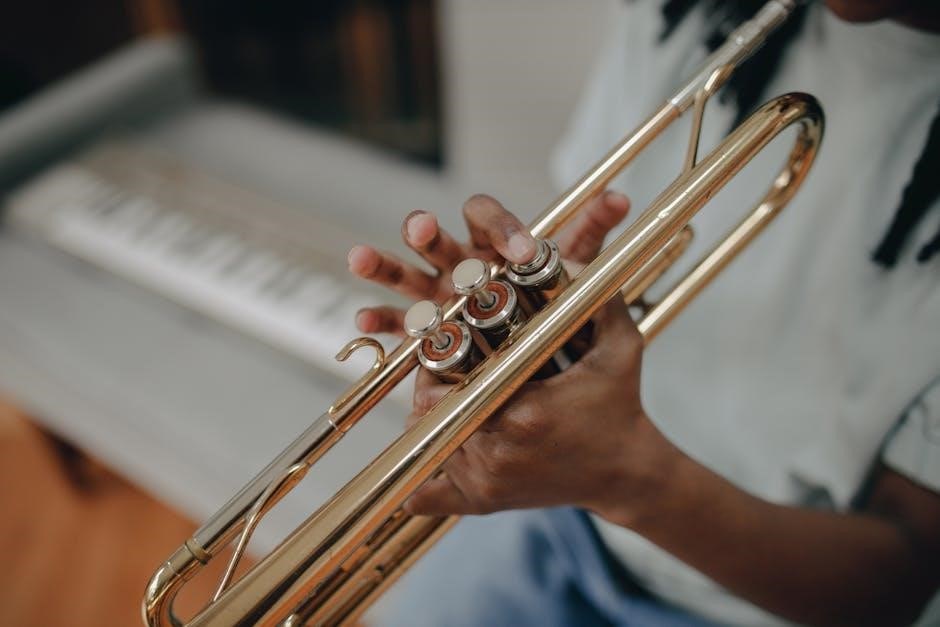
Combining Clarke Studies with etudes and solo repertoire accelerates progress. For example, applying the articulation patterns from Clarke to a challenging solo passage improves clarity and control. Like the rigorous academic standards at Clarke University, pushing technical boundaries is crucial for growth.
Experiment with different rhythmic interpretations and explore the studies as compositional exercises. This fosters creativity and a deeper understanding of trumpet technique, mirroring the values of freedom and education championed by Clarke University.
Common Mistakes and How to Avoid Them
A frequent error when using Clarke Studies is prioritizing speed over accuracy, mirroring a potential imbalance in academic pursuits. Students, like trumpeters, must focus on quality first. Another mistake is neglecting consistent airflow, leading to strained tone and limited endurance – akin to a student overextending themselves without proper support.
Avoid tension in the embouchure; maintain a relaxed jaw and lips. Just as Clarke University emphasizes a balanced approach to education, a balanced embouchure is vital. Don’t rush through studies; slow, deliberate practice builds a solid foundation.
Record yourself playing to identify inconsistencies and areas for improvement. Regular self-assessment, like the Deans List recognition at Clarke University, highlights progress and areas needing attention. Remember, consistent, mindful practice yields the best results;
Resources for Clarke Studies
Clarke University’s community connections offer internship opportunities, while online forums and dedicated teachers provide support for trumpet players mastering these essential studies.
Online Trumpet Forums and Communities
Engaging with online trumpet communities provides invaluable support for those navigating Clarke Studies. Numerous forums and social media groups are dedicated to brass players, offering spaces to ask questions, share progress, and receive feedback. These platforms often host discussions specifically about Clarke’s Technical Studies, with experienced trumpeters offering insights into challenging passages and effective practice strategies.
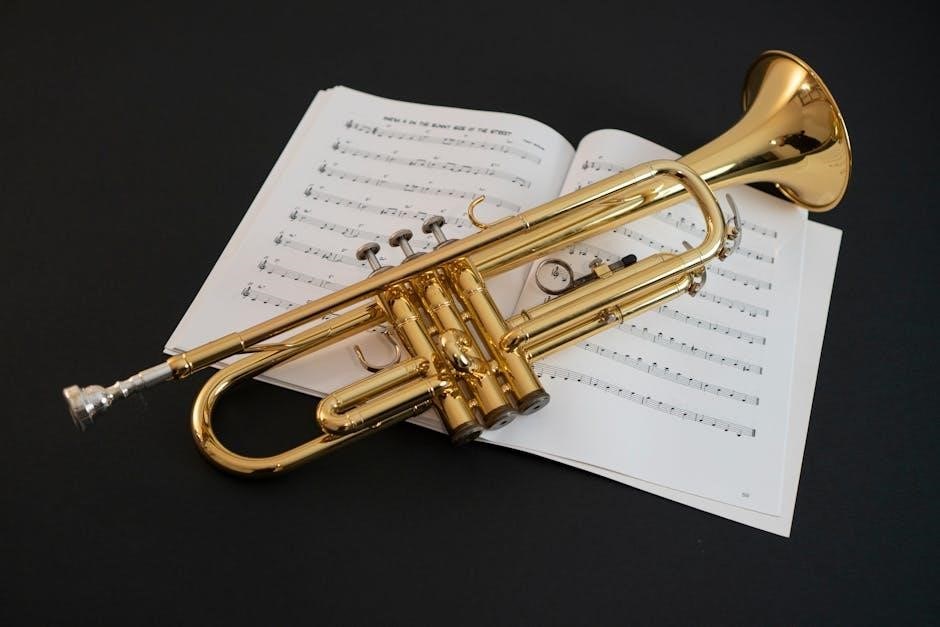
Active participation allows students to learn from a diverse range of perspectives and troubleshoot difficulties collaboratively. Many forums feature dedicated threads for specific exercises, enabling focused discussion and detailed analysis. Furthermore, these communities often share supplementary materials, alternate fingerings, and personalized practice routines. Clarke University fosters a strong sense of community, mirroring the collaborative spirit found within these online spaces, enhancing the learning experience for all involved.
Recommended Trumpet Teachers
Seeking guidance from a qualified trumpet teacher is crucial when tackling Clarke Studies. An experienced instructor can provide personalized feedback on technique, embouchure, and musicality, accelerating progress and preventing the development of bad habits. Teachers familiar with Clarke’s method understand the pedagogical intent behind each exercise and can tailor lessons to individual student needs.
Considering instructors affiliated with institutions like Clarke University, known for its values-based education and strong arts programs, can be beneficial. Look for teachers with a proven track record of success in developing trumpet players, and those who emphasize a holistic approach to musicianship. A skilled teacher will not only address technical challenges but also foster a love for music and inspire continued growth, mirroring the supportive environment at Clarke.
Supplementary Materials and Exercises
While Clarke Studies are comprehensive, supplementing them with additional materials can broaden a trumpet player’s skillset. Exploring etudes by Bordogni, Rochut, and Charlier enhances musicality and reading skills. Daily lip flexibility exercises, beyond those in Clarke, are vital for range and endurance. Consider incorporating Schlossberg’s Daily Trumpet Exercises for focused technical work.
Clarke University’s emphasis on a well-rounded education suggests a similar approach to trumpet practice. Integrating scales, arpeggios, and sight-reading into your routine complements the Clarke method. Utilizing online resources, such as trumpet forums and communities, provides access to diverse exercises and pedagogical insights. Remember, consistent, focused practice, combined with supplementary materials, yields the most significant results, mirroring the dedication fostered at Clarke.