underfloor heating design and installation guide pdf
This guide explores underfloor heating (UFH) – a popular‚ efficient home heating choice‚ detailing design and installation for both retrofit and new builds.
What is Underfloor Heating?
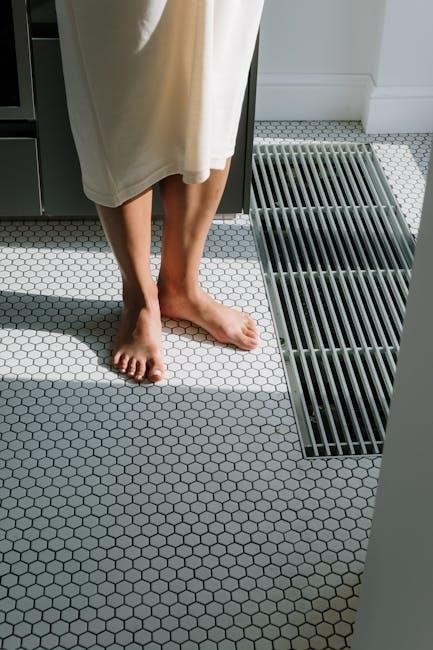
Underfloor heating (UFH) represents a radiant heating method‚ differing significantly from traditional radiator-based systems. Instead of warming the air‚ UFH directly heats surfaces – primarily floors – creating a comfortable and even temperature distribution throughout a room. This system utilizes either electric heating elements or hot water pipes embedded beneath the floor covering.
Unlike central heating which warms air that circulates‚ UFH radiates heat upwards‚ minimizing heat loss and offering a more energy-efficient solution. It’s adaptable to various heating fuels‚ making it suitable for most homes. Modern UFH systems are increasingly popular for both new constructions and retrofitting into existing properties‚ offering a luxurious and efficient heating experience.
Benefits of Underfloor Heating
Underfloor heating (UFH) offers numerous advantages over conventional heating methods. Primarily‚ it provides superior comfort due to the even heat distribution‚ eliminating cold spots often associated with radiators. This radiant heat is also more energy-efficient‚ as it heats objects and people directly‚ reducing heat loss.
Furthermore‚ UFH frees up wall space typically occupied by radiators‚ allowing for greater design flexibility. It’s a quiet system‚ operating without the noise of fans or pumps. UFH also improves air quality by reducing dust circulation. The luxury of a warm floor enhances overall home comfort‚ making it a desirable upgrade for any property‚ and can even increase property value.
Types of Underfloor Heating Systems
Two primary UFH systems exist: electric‚ ideal for smaller areas‚ and water-based‚ compatible with most heating fuels for whole-home warmth.
Electric Underfloor Heating
Electric underfloor heating utilizes electrically conductive wires or mats installed beneath the floor surface to generate warmth. It’s particularly well-suited for smaller areas like bathrooms‚ kitchens‚ or hallways‚ offering a straightforward installation process compared to water systems.
These systems operate by directly converting electricity into heat‚ providing responsive and controllable warmth. Installation typically involves rolling out the heating mats or securing the wires‚ then covering them with flooring materials like tile or wood.
However‚ electric systems can be more expensive to run than water-based options‚ especially for larger areas‚ due to electricity costs. They are generally easier to retrofit into existing floors‚ requiring less extensive plumbing work. Polypipe offers comprehensive manuals to guide users through the installation and operation of their electric UFH systems‚ ensuring optimal performance and safety.
Water Underfloor Heating Systems
Water underfloor heating systems circulate heated water through a network of pipes embedded within the floor structure. This method is often favored for larger areas and whole-house heating due to its efficiency and compatibility with various heating fuels‚ including boilers and heat pumps.
Installation is more complex than electric systems‚ requiring professional plumbing and connection to a central heating source. OSMA‚ part of Wavin Group‚ provides detailed guides for professional installers‚ emphasizing correct pipe layout and manifold setup for optimal heat distribution.
While initial costs can be higher‚ water UFH generally offers lower running costs compared to electric systems‚ particularly when paired with renewable energy sources. Careful design and insulation are crucial for maximizing efficiency and ensuring even heat distribution throughout the space. Polypipe also offers manuals for water systems.

Design Considerations for Underfloor Heating
Effective UFH design requires precise heat loss calculations‚ careful floor construction assessment‚ and selecting the optimal heating element layout for consistent warmth.
Heat Loss Calculations
Accurate heat loss calculations are fundamental to a successful underfloor heating installation. These calculations determine the required heat output to maintain comfortable temperatures within each room‚ considering factors like wall‚ floor‚ and ceiling insulation‚ window types‚ and external weather conditions.
A detailed assessment identifies heat loss through each element of the building envelope. This data informs the selection of appropriate heating elements – mats or pipes – and their spacing. Underestimating heat loss results in an underperforming system‚ while overestimating leads to unnecessary costs. Professional software and experienced installers often employ standardized methods‚ like those from the Building Cost Information Service (BCIS)‚ to ensure precision. Proper calculations guarantee efficient and cost-effective operation of the UFH system.
Floor Construction & Insulation
The existing floor construction significantly impacts underfloor heating performance. Solid floors‚ like concrete‚ respond well to UFH due to their thermal mass‚ efficiently storing and radiating heat. Suspended timber floors require careful consideration‚ needing adequate insulation below the joists to prevent heat loss downwards.
Effective insulation is paramount; it directs heat upwards into the room‚ maximizing efficiency. OSMA Underfloor Heating‚ a leading innovator‚ emphasizes the importance of minimizing heat loss. The type of flooring covering also matters – tiles and stone are highly conductive‚ while carpets offer more resistance. Proper preparation and insulation are crucial for optimal heat distribution and reduced energy consumption‚ ensuring a comfortable and cost-effective heating solution.
Choosing the Right Heating Mat/Pipe Layout
Selecting the appropriate heating mat or pipe layout is vital for even heat distribution. Electric mats are simpler for smaller areas and retrofit projects‚ offering pre-configured cable spacing. Water systems‚ ideal for larger spaces‚ require careful pipe layout planning‚ often utilizing a spiral or serpentine pattern.
The layout must account for furniture placement and room usage‚ avoiding areas where heat would be obstructed. Polypipe’s Underfloor Heating Manual stresses the importance of proper spacing to prevent cold spots. Heat loss calculations dictate the required pipe density or mat wattage. Accurate planning ensures consistent warmth throughout the room‚ maximizing comfort and energy efficiency‚ and avoiding potential issues like uneven heating.

Installation Process: A Step-by-Step Guide
Proper installation involves thorough subfloor preparation‚ precise laying of heating elements (mats or pipes)‚ and secure connection to the power supply or manifold.
Subfloor Preparation
Before laying any underfloor heating elements‚ meticulous subfloor preparation is absolutely crucial for optimal performance and longevity. The existing floor must be completely clean‚ dry‚ and level. Remove all debris‚ dust‚ and loose particles. Any existing floor coverings‚ adhesives‚ or leveling compounds need to be fully removed.
Inspect the subfloor for any damage‚ cracks‚ or unevenness. These imperfections must be addressed with appropriate repair materials‚ such as self-leveling compound‚ to create a smooth and stable surface. Ensure the subfloor is structurally sound and capable of supporting the added weight of the UFH system. Proper insulation beneath the heating elements is also vital to prevent heat loss downwards and maximize efficiency. A well-prepared subfloor guarantees even heat distribution and prevents potential issues during operation.
Laying the Heating Elements (Mats or Pipes)
Once the subfloor is perfectly prepared‚ carefully lay the heating elements – either mats or pipes – following the predetermined layout plan. Electric mats should be unrolled and positioned‚ ensuring the heating cables aren’t damaged or crossed. For water systems‚ pipes are secured to the subfloor using clips or track systems‚ maintaining consistent spacing as per the design calculations.
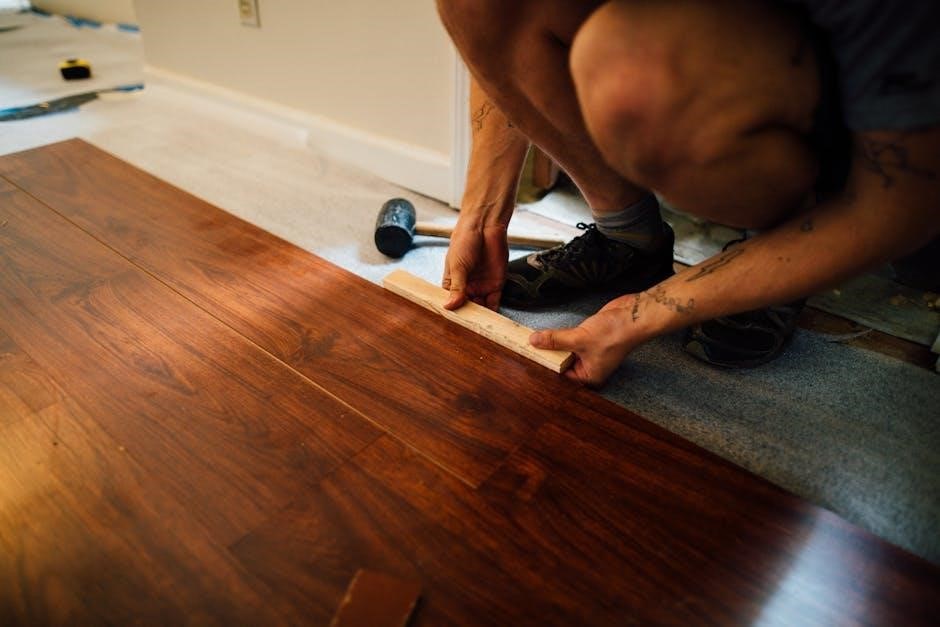
Avoid sharp bends in the pipes‚ and ensure they are protected from potential damage during subsequent floor covering installation. Accurate placement is key to even heat distribution. When using mats‚ adhere them securely to the subfloor using the manufacturer’s recommended adhesive. Thoroughly check the installation for any errors before proceeding to the next stage‚ guaranteeing a functional and efficient underfloor heating system.
Connecting to the Power Supply/Manifold
For electric systems‚ a qualified electrician must connect the heating mats to the designated power supply‚ adhering strictly to all electrical safety regulations. This involves wiring the mats to the thermostat‚ ensuring correct voltage and amperage. Water systems require connection to a manifold‚ which distributes heated water from the boiler or heat pump to the underfloor circuits.
Proper manifold installation is crucial‚ including pressure testing to identify and rectify any leaks. All connections must be secure and compliant with plumbing standards. The Polypipe Underfloor Heating Manual emphasizes careful connection procedures. Double-check all wiring and plumbing before commissioning the system‚ ensuring safe and efficient operation.

Control Systems & Thermostats
Effective control is vital for UFH efficiency; thermostats regulate temperature‚ while zoning and smart controls offer customized heating schedules and remote operation.
Types of Thermostats
Several thermostat types cater to underfloor heating systems‚ each offering varying levels of control and functionality. Basic mechanical thermostats provide simple on/off temperature regulation‚ ideal for single-zone systems and offering straightforward operation. Digital thermostats offer more precise temperature control‚ programmable schedules‚ and often include features like open window detection to conserve energy.
Smart thermostats represent the pinnacle of control‚ connecting to home Wi-Fi networks for remote access via smartphone apps. These allow for advanced scheduling‚ learning capabilities that adapt to user habits‚ and integration with other smart home devices. Air temperature sensors and floor sensors are also crucial; floor sensors prevent overheating and ensure optimal comfort‚ while air sensors maintain a consistent room temperature. Choosing the right thermostat depends on the complexity of the UFH system and desired level of control.
Zoning & Smart Control Options
Implementing zoning allows independent temperature control in different areas of your home‚ maximizing comfort and energy efficiency with underfloor heating. This is achieved by dividing the UFH system into separate zones‚ each with its own thermostat and control valve. Smart control systems take zoning further‚ offering remote access and advanced programming capabilities via smartphone apps.
These systems often learn your heating preferences and automatically adjust temperatures accordingly. Integration with smart home assistants like Alexa or Google Home provides voice control. Features like geofencing can detect when you’re approaching home and pre-heat the floors‚ ensuring a warm welcome. Sophisticated algorithms optimize energy usage‚ reducing heating bills and environmental impact‚ making smart zoning a worthwhile investment.
Cost Analysis of Underfloor Heating
UFH costs vary significantly based on system type and installation complexity; consulting resources like the BCIS provides detailed pricing for materials and labor.
Material Costs
Estimating material costs for underfloor heating requires considering the system type – electric or water. Electric systems generally have lower upfront material expenses‚ primarily involving heating mats or cables and a thermostat. Water systems‚ however‚ demand more substantial initial investment.
This includes the cost of pipes (typically PEX or PERT)‚ a manifold to distribute water‚ an insulation layer‚ and potentially a mixing valve. The size of the area to be heated significantly impacts material quantities and‚ consequently‚ the overall cost.
Furthermore‚ subfloor preparation materials‚ like self-leveling compound‚ can add to the expense. Quality variations within each material category also influence pricing; opting for premium components often translates to higher initial costs but potentially improved longevity and efficiency.
Installation Costs
Installation costs for underfloor heating vary widely‚ depending on the system complexity and existing floor structure. Electric systems typically have lower labor costs due to simpler installation compared to water-based systems. Water systems require skilled plumbers to connect the manifold‚ pipes‚ and integrate with the existing heating system.
Retrofitting underfloor heating into an existing home generally incurs higher costs than new construction‚ as it often involves lifting floors and potentially modifying subfloors.
The BCIS (Building Cost Information Service) provides detailed cost data‚ but regional variations and contractor rates significantly impact the final bill. Expect to pay more for complex installations or areas with limited access.

Troubleshooting Common Issues
Addressing problems like uneven heating or system failures requires careful diagnosis; proper installation and control system checks are crucial for optimal performance.
Uneven Heating
Uneven heating in underfloor heating systems can stem from several factors‚ often relating to installation or system design. Incorrect heat loss calculations for different areas of the room are a primary cause; rooms with larger windows or exterior walls require more heat output.
Subfloor insulation inconsistencies also play a significant role – inadequate or patchy insulation leads to heat escaping downwards‚ creating cold spots. The layout of the heating elements (mats or pipes) is critical; overlapping or excessively spaced elements can result in temperature variations.
Furthermore‚ furniture placement obstructing heat distribution‚ or thick rugs insulating the floor‚ can contribute to uneven warmth. Ensuring proper commissioning and balancing of the system‚ alongside accurate thermostat settings‚ is vital for consistent comfort throughout the heated space.
System Failures & Repairs
Underfloor heating systems‚ while reliable‚ can experience failures requiring professional repair. Electric systems may suffer from cable breaks‚ thermostat malfunctions‚ or power supply issues‚ often necessitating component replacement. Water systems are prone to leaks in pipes or at connections‚ demanding immediate attention to prevent water damage.
Manifold valve failures‚ pump breakdowns‚ or airlocks within the system are also common problems. Diagnosing issues often requires specialized testing equipment and expertise. Always disconnect power or isolate the water supply before attempting any repairs.
Regular maintenance‚ including system checks and flushing (for water systems)‚ can significantly reduce the risk of failures. Qualified heating engineers should handle all repairs to ensure safety and system integrity.

Resources & Further Information (PDF Guides)
For comprehensive understanding and successful implementation‚ numerous PDF guides are available detailing underfloor heating design and installation. Polypipe offers a detailed user manual for their UFH systems‚ covering functionality and capabilities. OSMA Underfloor Heating‚ part of Wavin Group‚ provides a professional installer’s guide focused on technical innovations.
The Building Cost Information Service (BCIS) offers resources for cost analysis‚ aiding in accurate project budgeting. Additional guides cover specific aspects like heat loss calculations‚ floor construction compatibility‚ and thermostat programming.
Searching online for “underfloor heating installation guide PDF” yields a wealth of manufacturer-specific and general resources‚ ensuring informed decision-making throughout the process.